.svg)
AVAZ inversion
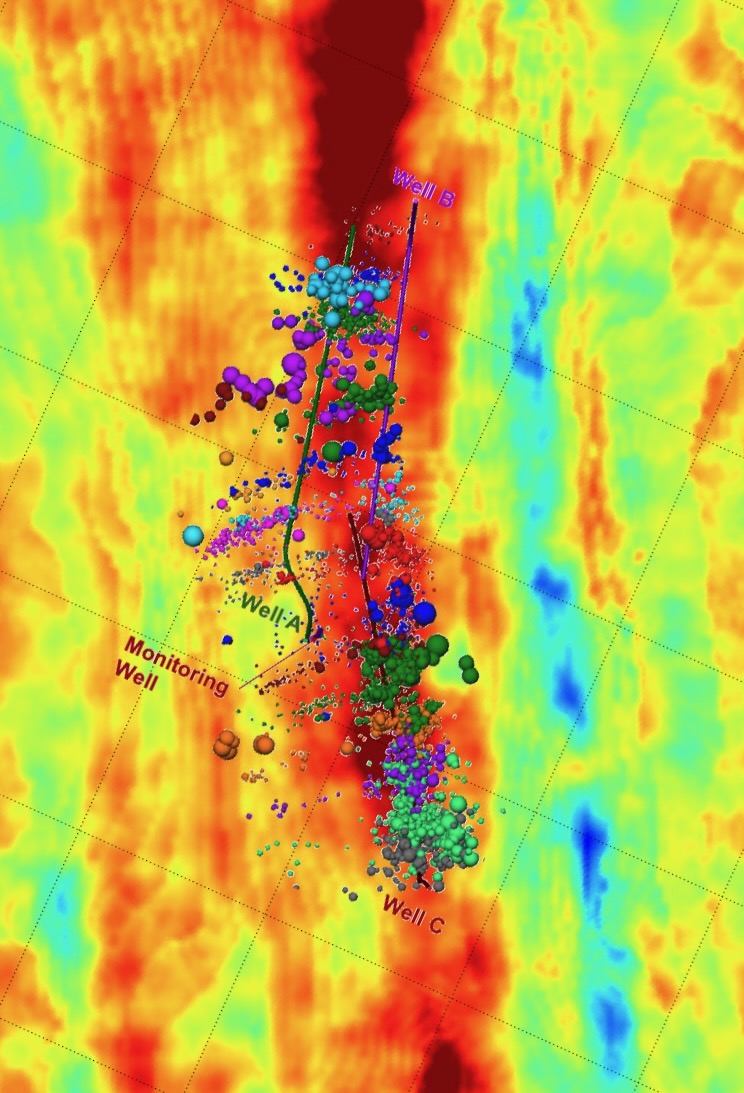
Azimuthal variations in seismic amplitude contain information about fracture intensity, orientation, and the effective stress field. By combining AVAZ inversion with rock physics inversion for mineral fractions, we deliver calibrated geomechanical and petrophysical properties that support reservoir assessment and completion planning in unconventional settings.
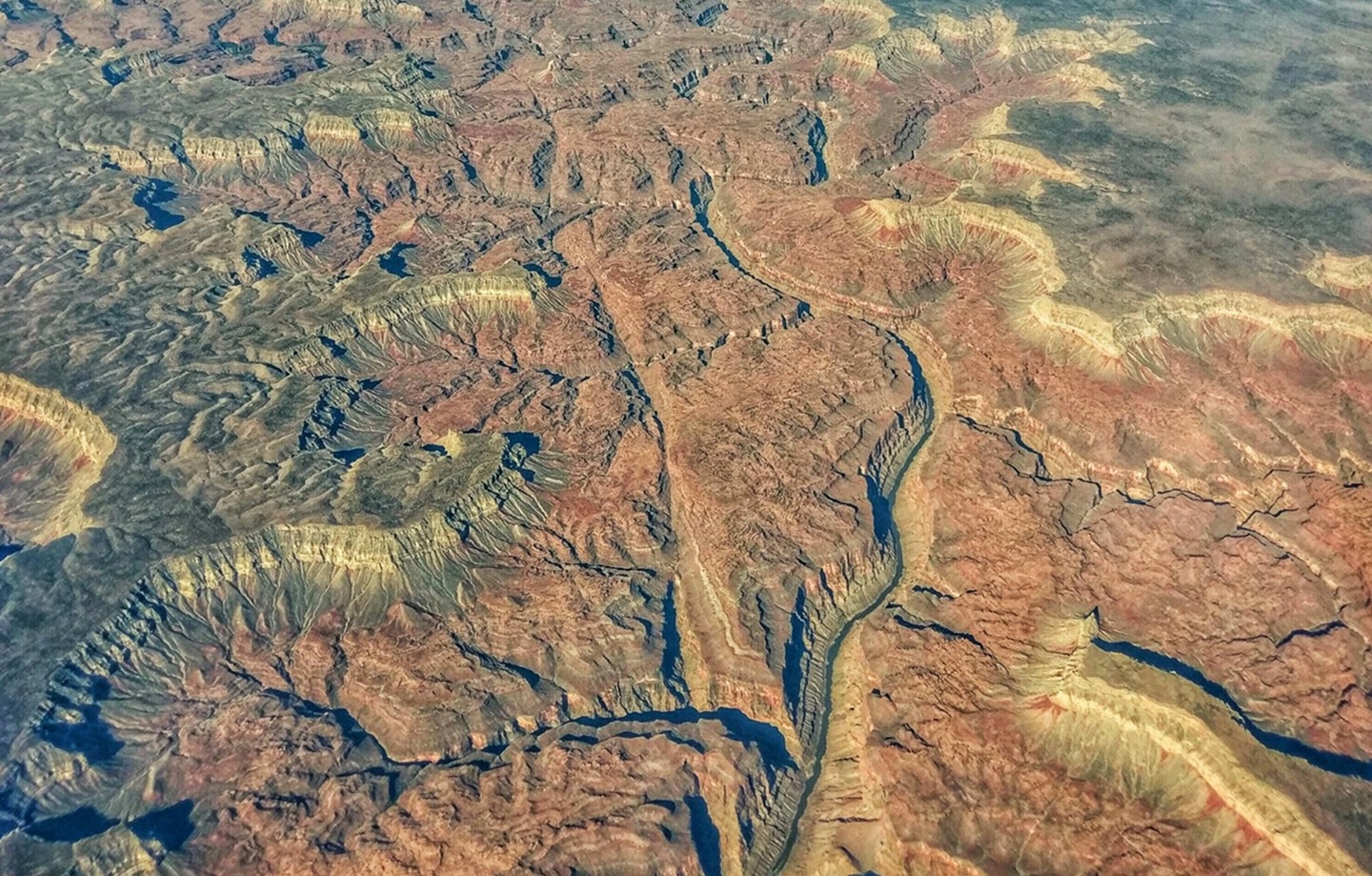
Elastic properties are often poorly correlated with reservoir quality or completion quality in unconventional settings.
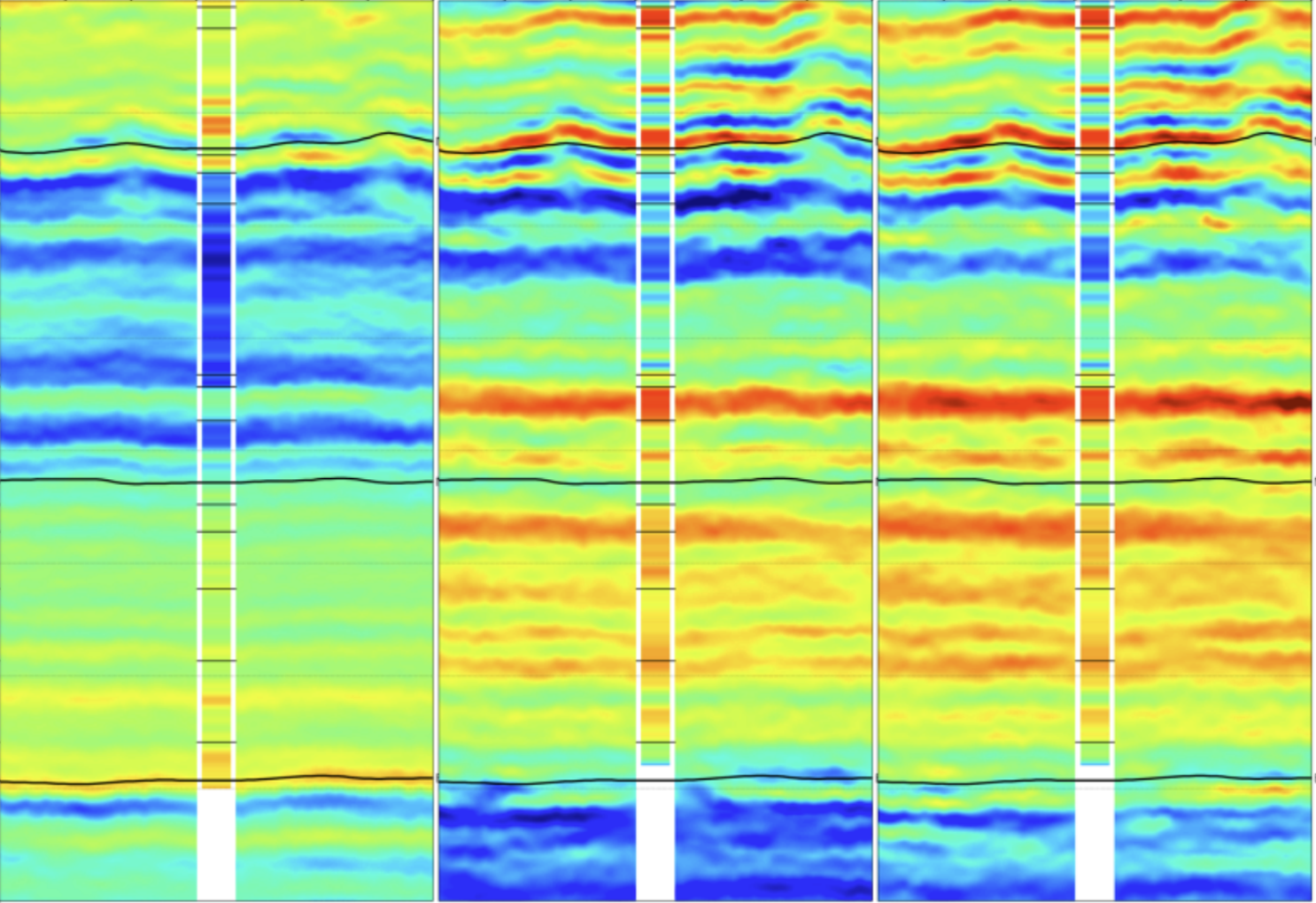
Qeye performs rock physics inversions for mineral fractions and AVAZ inversion for fracture characterization. The effective stress field can be characterised including poro-elastic effects.
Qeye delivers calibrated geomechanical and petrophysical properties and stress fields that are accurate predictors of reservoir and completion quality.


"The value of AVAZ inversion is not just detecting azimuthal variation — it is turning that variation into interpretable elastic properties beyond the elastic domain such as Biot-Willis coefficient, while keeping the inversion stable and geologically constrained."
Qeye’s azimuthal AVO inversion extends conventional AVO inversion to estimate both isotropic and anisotropic elastic properties from pre-stack seismic data. This enables interpretation of azimuthal variations linked to stress, fractures, layering or directional rock properties.
The inversion uses seismic partial stacks grouped by incident angle and azimuth. Each stack is matched with an appropriate wavelet, allowing the inversion to honour both angle-dependent and azimuth-dependent amplitude behaviour.
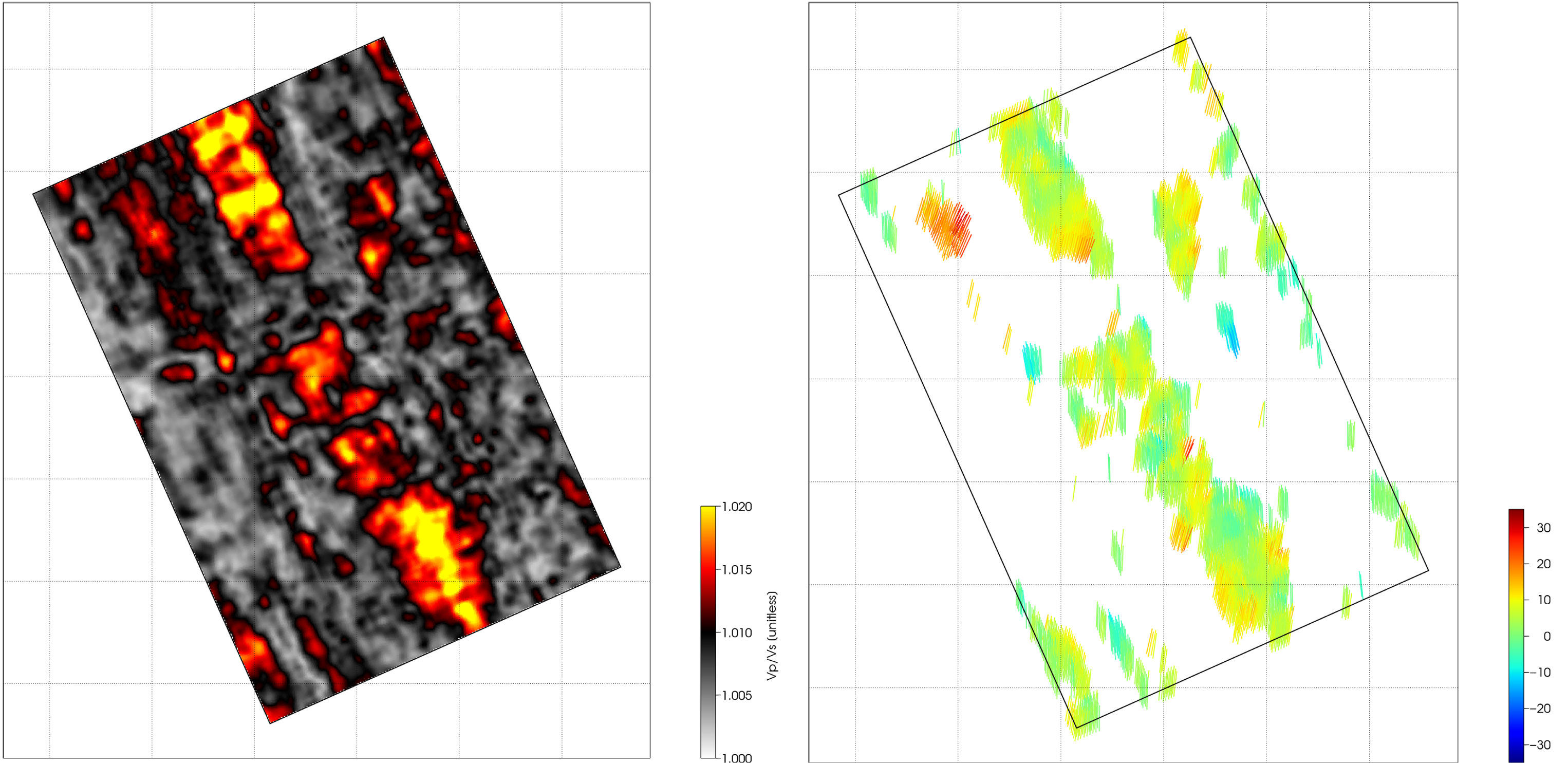
To keep the problem stable and geologically meaningful, the inversion applies anisotropic rock-physics assumptions such as orthorhombic or HTI symmetry. This reduces the number of free parameters and allows the method to estimate interpretable properties such as acoustic impedance, density, fast and slow Vp/Vs, and relative anisotropy indicators.
A key output is the relative fast–slow Vp/Vs response, which can be used as an indicator of azimuthal anisotropy. Directional results are also estimated, but should be interpreted with care due to the inherent 90-degree ambiguity in the inversion. Where image logs, reservoir models or other calibration data are available, the results can be tied more directly to geological drivers.